
About FatigueSense
Born from research.
Shaped by people living with fatigue.
FatigueSense began as part of a PhD at Newcastle University and grew into an app used by thousands of people to understand their energy and pace their days, using the wearable they already own.
The founder
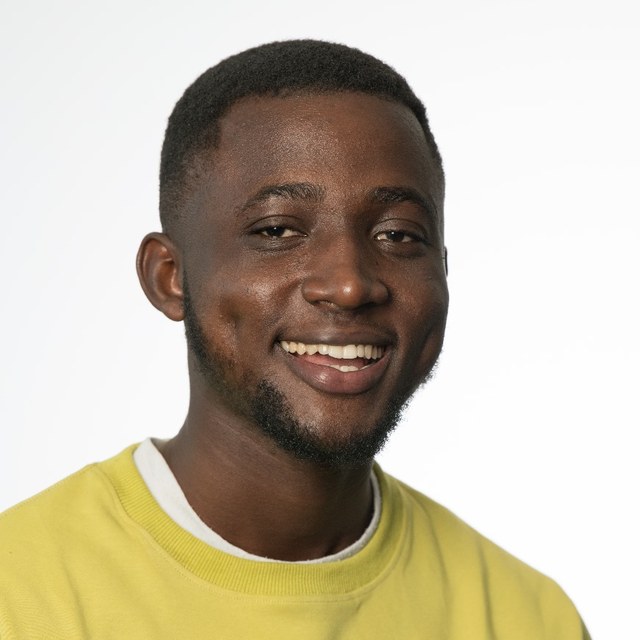
Nana Yaw Aboagye
Founder of FatigueSense · PhD researcher, Newcastle University
Nana researches how wearable data can help people understand and manage fatigue. He started developing FatigueSense during his PhD, to bring that research into the everyday lives of the people it is about.
“My hope is that FatigueSense will not only support individuals in managing their fatigue day to day, but also contribute to wider research into how digital tools can improve long-term condition management. I also hope it helps bring patients’ lived experiences more directly into clinical understanding and care.”
Nana Yaw Aboagye
With support from
The people who helped FatigueSense grow
FatigueSense was developed with support from the NIHR Newcastle Biomedical Research Centre (BRC) and Newcastle University, the DIAN team and its DATA team, and the University of Edinburgh’s Venture Builder Incubator.

.png)


FatigueSense represents an important step towards more personalised and data-driven management of fatigue. Nana’s work aimed at bridging the gap between research and real-world application, creating a tool that could significantly enhance both patient self-management and clinical understanding of fatigue.
Prof Mark Baker
PhD supervisor, Newcastle University
FatigueSense will empower people with chronic fatigue to monitor their physiology, modify lifestyle choices and behaviours, and optimise well-being with digital health technology.
Dr Silvia Del Din
PhD supervisor, and Deputy Academic Career Development Lead, NIHR Newcastle BRC
Quotes from the NIHR Newcastle BRC news story on the launch of FatigueSense.
Our story
Fatigue is real, but hard to see
Fatigue is one of the most common and disabling symptoms of long-term conditions, from ME/CFS and Long COVID to MS and cancer. Yet it is hard to measure and hard to explain. People are often left to judge their own limits by feel, and to find out they went too far a day or two later.
Nana Yaw Aboagye’s PhD at Newcastle University looks at digital biomarkers of fatigue: the signals in heart rate, sleep and movement that change with how tired a person is. That research, and many conversations with people living with fatigue, pointed to the same need: a personal, accessible tool that turns everyday wearable data into something a person can actually use. So, as part of his PhD, Nana started building FatigueSense.
The app connects to the wearable you already have and learns your own patterns over time. It gives you a daily Energy Budget, warns you before you push past your limits, and keeps a record you can take to the people who care for you. Every part of it is shaped by feedback from the people who use it each day.
Research
Published research
Peer-reviewed papers on wearables, fatigue and pacing, in areas closely related to the work behind FatigueSense.
Try FatigueSense, or help shape it
Free on iOS and Android. Researchers and clinicians can take part in our studies.